Engaging, standards-aligned honeybee presentations designed specifically for young learners. Interactive and hands-on
Request a School Visit
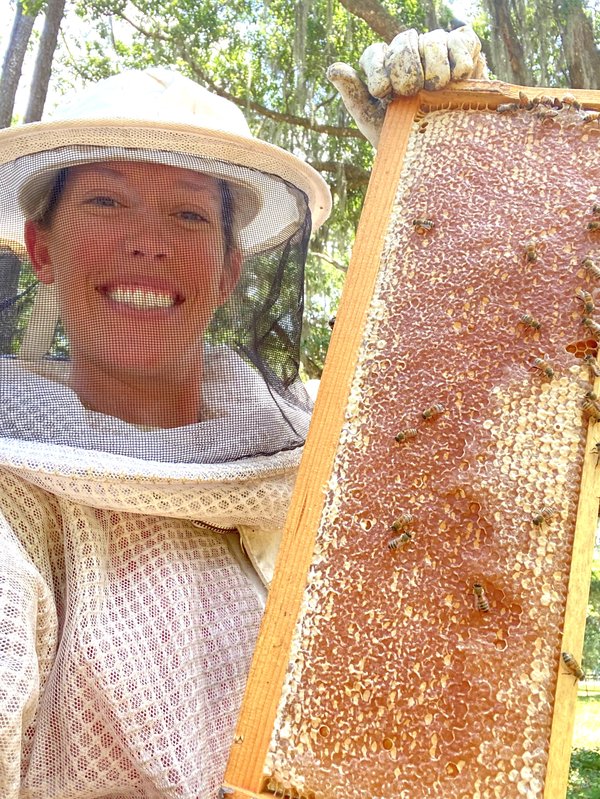
Meet Molly LaRocca: Combining a decade of classroom teaching experience with a deep love for pollinators, I specialize in bringing hands-on bee education to schools across the St. Augustine area. I hold a Bachelor's in Early Childhood Education, a Master's in Special Education, and a Master Beekeeper Certification all from the University of Florida.
Through these thoughtfully designed K-5 programs, students discover the different roles bees, and the vital work bees do for our food supply. I hope they walk away with a newfound respect for these incredible little creatures, replacing any fear with fascination!
Duration: 30 mins
An introduction to backyard bugs and busy bees! Young learners explore gentle tactile props and sensory elements designed specifically for early childhood discovery.
Duration: 45 mins
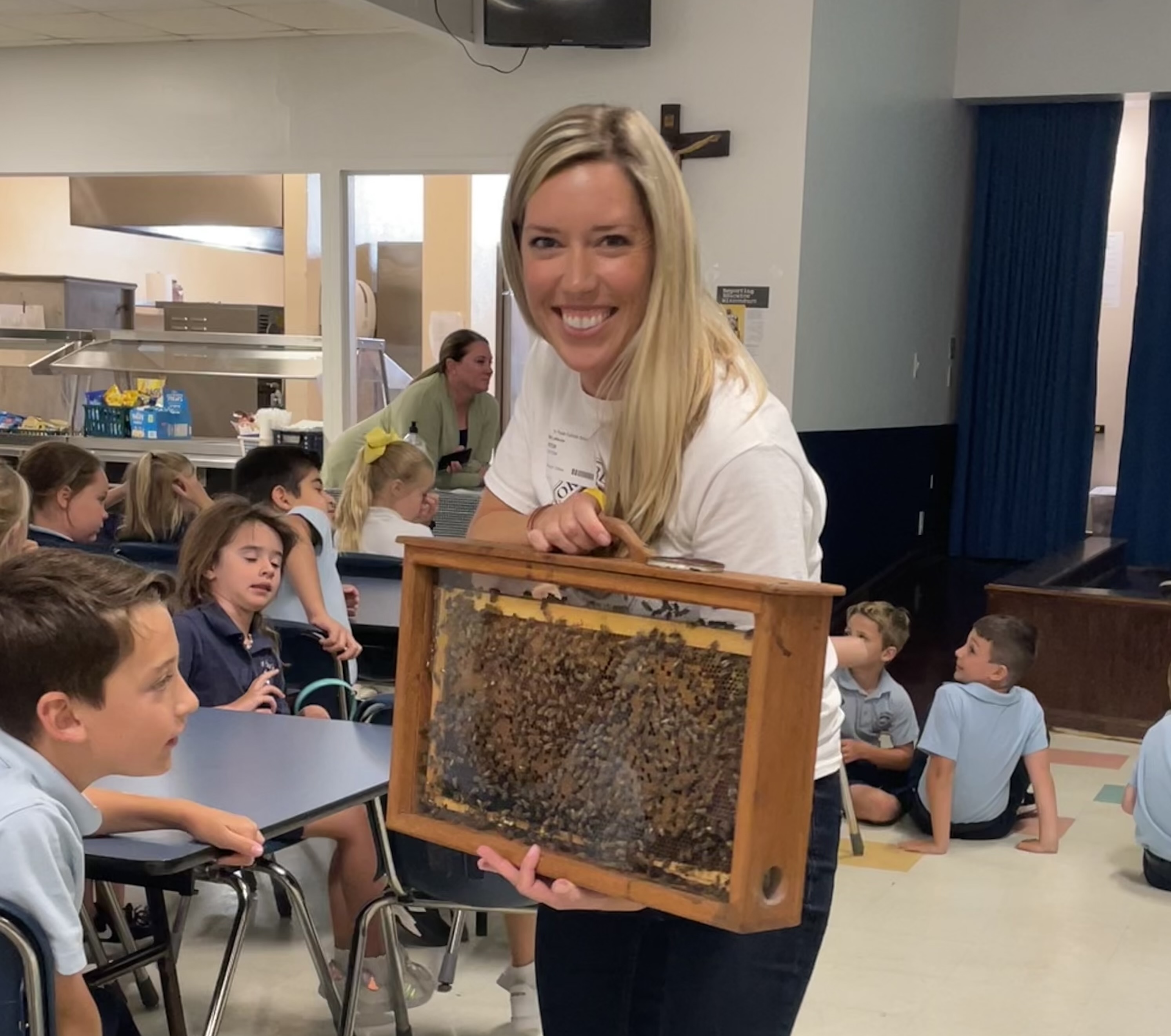
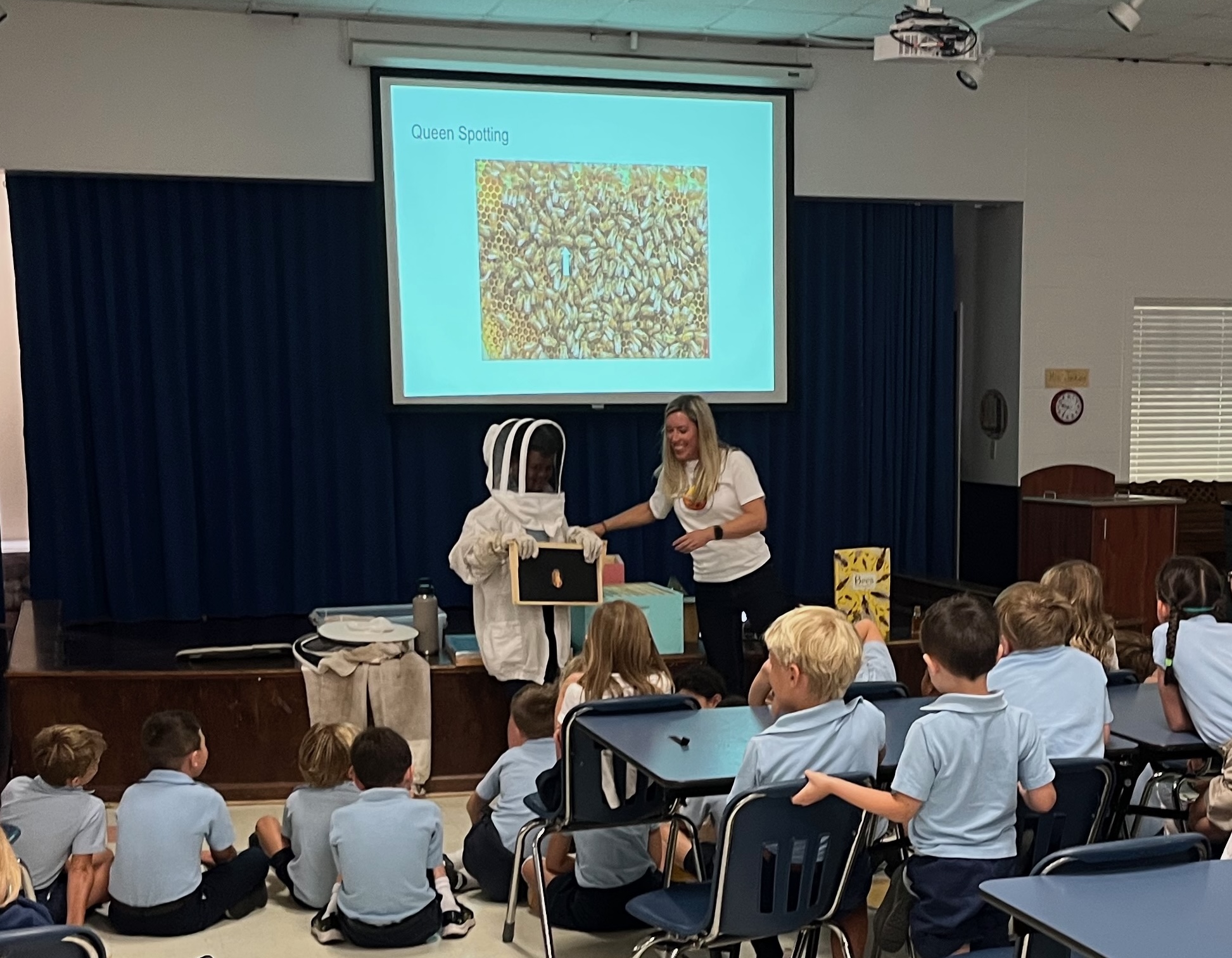
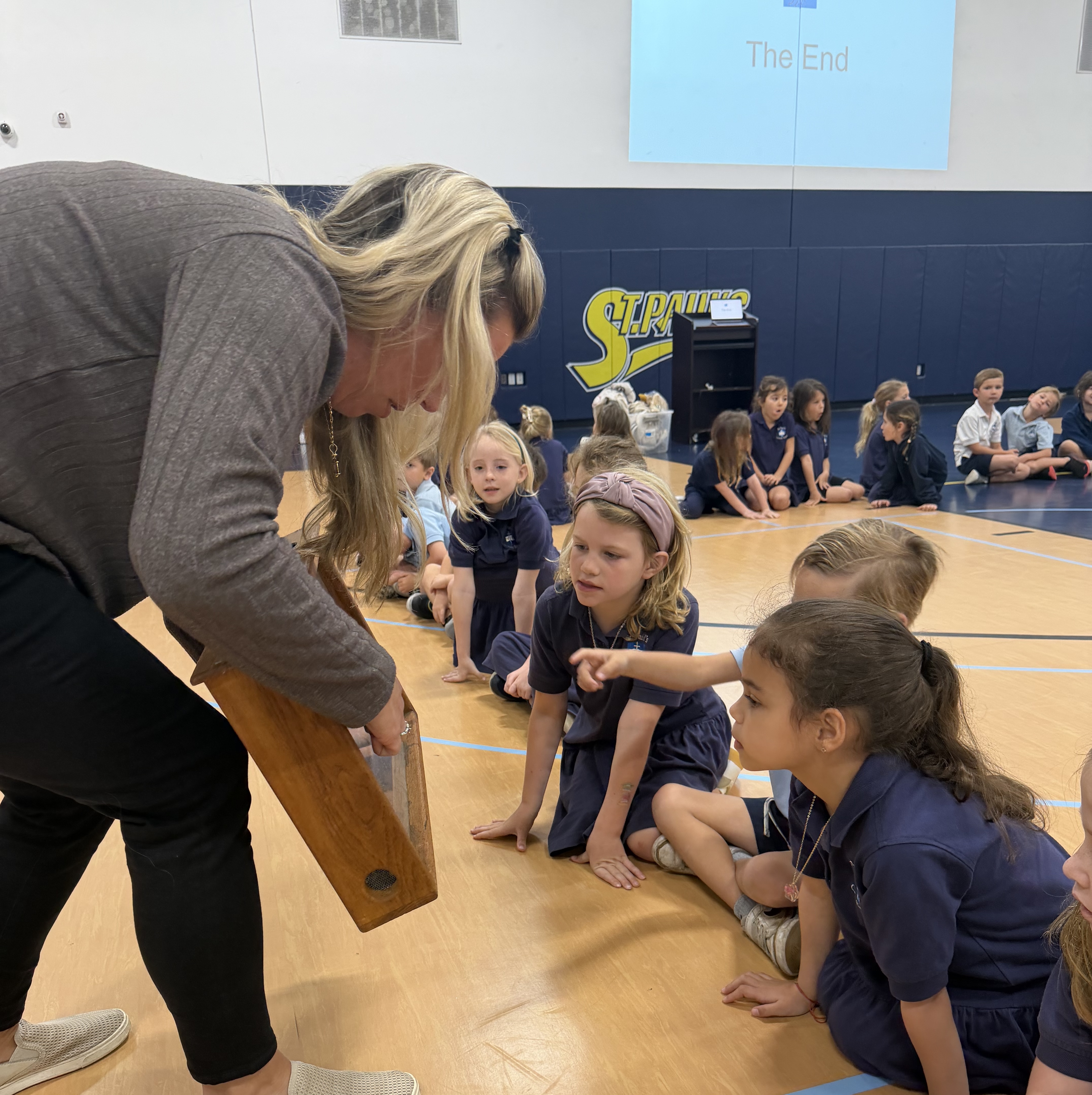
Dive into the inner workings of the colony! This lesson introduces the unique roles within the hive (Queen, Worker, and Drone), the essential jobs of a beekeeper, and the importance of keeping bees. Students will get hands-on experience examining hive products and authentic equipment, wrapping up with an exciting peek into our simulated hive.
Duration: 45 mins
Discover the incredible partnership between plants and pollinators! Starting with a fun breakfast investigation, students explore how flowers are stuck in place, how they use bright petals and nectar to attract helpers, and the unique traits that make bees the ultimate delivery drivers. Wraps up with an exciting look inside our digital simulation hive!
Duration: 45 mins
Explore the vital role bees play in our global ecosystem and food supply! Students take a more in-depth look at specific pollinators including carpenter bees, bumble bees, and honey bees to examine their unique traits and behaviors. Ultimately, this session empowers young learners to become environmental stewards by discovering practical, everyday ways to support and protect local pollinator populations in their own backyards.